


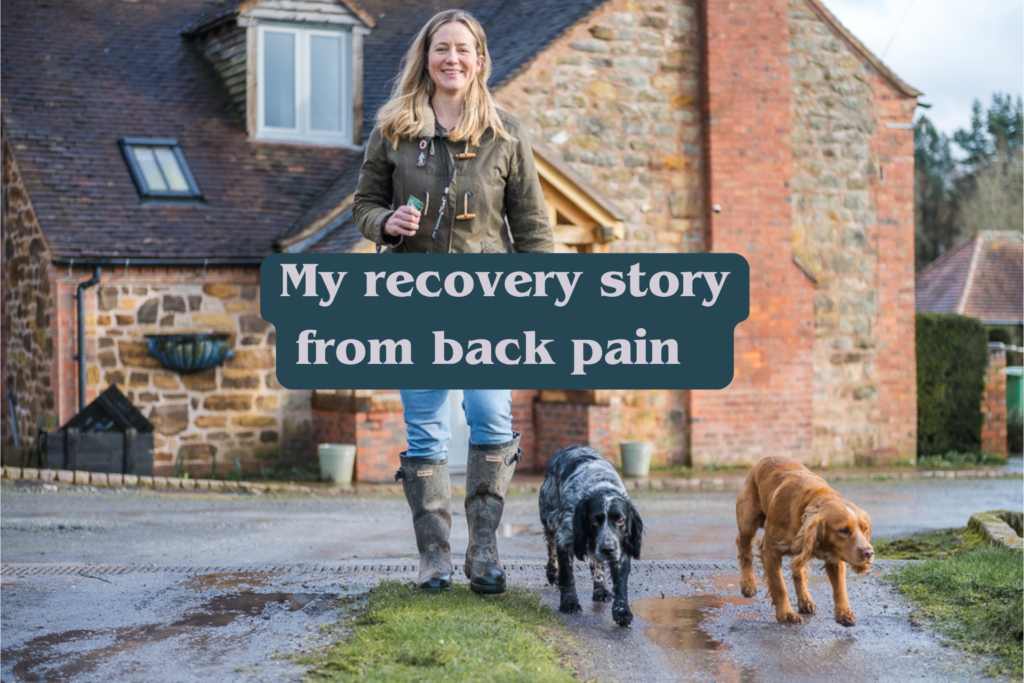
I grew up in Kenya on a tea estate where I noticed women carrying heavy loads either on their backs, hips or even their heads. They didn’t seem to struggle with back pain to the same degree as we do in the western world. 47% of those living in Africa will experience low back pain at some point in their lives compared to 70-80% of those living in the western world. So why is it that back pain is more prevalent in the Western world, given that we have better medical facilities and technology? When I struggled with back pain, I couldn’t even lift my own child into the car, yet these women in Africa can carry loads on their backs and their heads whilst also carrying children on their hips seemingly without any pain? So what is the cause of this difference?
In my opinion it is the lifestyle. We live in a fast paced, highly stressful and emotional society where our diets are poor and it is easy to be sedentary. So what does this have to do with pain? Our bodies are inflamed and our minds are wired, which leads to our nervous system increasing its defence mechanisms; one of which is pain.
- Diet and inflammation
Western diets are often full of highly processed, sugary foods which are convenient to fit into our highly hectic lifestyles. The downside is that they are highly inflammatory which is a key driver to pain and aching joints. Compare this to a traditional African diet which is rich in whole foods, healthy fats and anti-inflammatory spices such as turmeric and ginger. They also tend to eat together as a community rather than “on the hoof” in-between commitments and appointments.
Inflammation stems from the immune system which mainly resides in the gut. It makes the body stiffen up, tightens muscles and weakens joints leading to a greater chance of back pain. When our bodies are in a constant state of inflammatory stress, even simple movements can feel difficult such as getting out of bed.
- Emotional stress and nervous system overdrive
Life in the Western world is fast paced and stressful. Long working hours, financial pressures, deadlines and targets to meet along with social media overload keep our nervous system in a constant state of fight / flight. This leads to chronic muscle tension, increased blood pressure, shallow breathing and therefore reduced oxygen to muscles and a feeling of tiredness and poor sleep and reduced immune function, all of which lead to slower recovery.
By contrast, many African communities emphasise strong social connections, live in communal environments, adopt a movement based lifestyle either walking or cycling to work and have a deeper connection to nature – all of which help to regulate the nervous system and reduce stress – related tension in the body.
- The sitting epidemic vs active living
In the West, we sit for hours on end either at our desks, driving or on the sofa. This weakens the core muscles and disrupts natural spinal alignment. In contrast many cultures that experience less back pain incorporate natural movement into daily life such as carrying heavy loads on head or back with a straight spine, squatting instead of sitting in chairs, and walking long distances rather than using cars/buses. These daily movements strengthen the spine, improve posture, strengthens muscles and best of all – releases feel good / pain relieving chemicals and hormones such as endorphins.
- The mind body connection: Pain as a cultural experience
In the Western world we are led to believe that all our pain is a result of physical damage which is why we go for scans and tests. We also associate ageing with pain – I don’t accept that! We believe that doctors and medicine have the powers to heal us, so we take a very passive role in our healing. When medicine doesn’t work we lose hope, become depressed and this of course adds to pain. Also seeing images of our spines (which are never perfect and like a textbook) fill us with fear which in turn contributes to pain because we then have a fear of movement and our bodies believe it needs protection so it stiffens up.
In other cultures they have a strong belief in the body’s own ability to heal itself and therefore take a more proactive role in healing. Rather than resting when in pain, they fear it less and continue to move. If we can change our beliefs around pain, we can change our healing trajectory and it can feel so empowering.
- Can we reverse this trend?
Good news – we can! By changing our beliefs around pain, we can take a more active role in our recovery and learn how we can overcome pain. How? eat a cleaner diet, reduce stress, move more, connect with nature and reframe our beliefs around pain (trusting our bodies rather than fearing pain). The BEAT pain methodology teaches all of this in one package so that you have the tools to overcome pain once and for all.
What do you think? Have you noticed a difference in how people from different cultures experience pain? Let me know your thoughts.
Receive fresh wellness content straight to your inbox
Explore more
Related Wellness Resources





Help for your Chronic Pain
B.E.A.T Pain: Your Personalised Wellness Journey
Introducing the BEAT Pain approach, Katie’s strategy designed to empower your journey to lasting pain relief.

Brain
Uncover the role of the brain in your pain experience, gaining insights that empower your journey to lasting relief.
Energy
Elevate your healing potential by delving into the importance of good nutrition and sleep, unlocking vital sources of energy for your recovery.
Activity
Discover the transformative power of movement as we help you understand the pivotal role activity has on your path to recovery.
Therapy
Embark on a personalised healing journey with an array of therapeutic offerings, each designed to complement and support your unique chronic pain journey.
