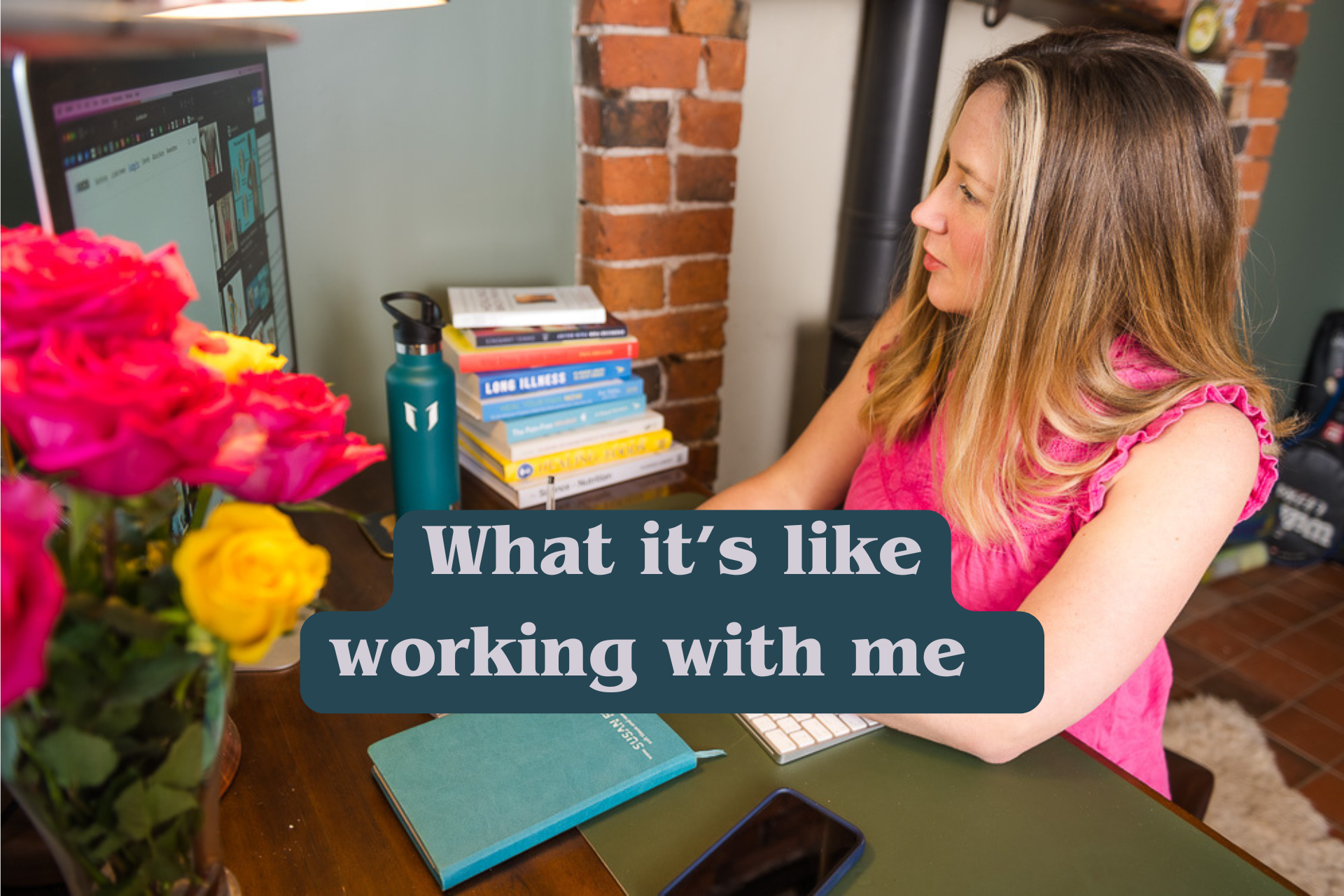
What it’s really like working with me
Many people who come to work with me arrive feeling confused, exhausted and often a little hopeless. They may have been told by doctors that they have to live with this pain as there is nothing more they can do. This is because many doctors don’t fully understand the complexities of chronic pain. The good news is, there is something you can do and you don’t have to live with it.
Often they’ve tried physiotherapy, medication, maybe even some alternative therapies. Some have had scans. Others have been told nothing is wrong.
Yet the pain continues.
What makes it even harder is that persistent pain rarely just affects the body. It affects confidence, identity, relationships, parenting, work and everyday life.
By the time someone reaches out to me, they are usually thinking something like:
“I don’t even know if this will work… but I can’t keep living like this.”
One client described it like this:
“To be honest, I signed up to work with Katie not really knowing what would come of it, but I needed help & learning she had got herself out of a similar situation was reassuring. I couldn’t very well go on the way things were.”
What It Feels Like At The Beginning
At the start, many clients describe feeling:
- Hopeless or desperate for answers
- Confused about why they have pain when tests show nothing serious
- Afraid the pain might never change
- Physically drained and limited in daily life
- Scared and desperate
- Pain ruling their lives
As this client put it:
“Hopeless. Desperate. Low. Uncertain. Confused – feeling pain, but no medical explanation. Physically drained, pained, hurt, sore, stung & burned.”
They may be missing out on life with their children, struggling with everyday tasks, or constantly worrying that something serious has been missed.
One of the first things we do together is change the story around the pain. Not by dismissing it. But by understanding it. I give back hope – this is the first ingredient we need for recovery.
What Happens During Our 6 Sessions
My work combines the different elements of my BEAT Pain approach:
Brain – Energy – Activity – Therapy
Each session builds on the last, helping your nervous system feel safer and teaching your body new patterns.
1. Understanding Your Pain
We start by making sense of what’s happening. We start with a series of questionnaires to assess what the body is doing. This gives us a good idea of what aspects of the BEAT pain approach are more urgent.
Many people feel huge relief when they realise persistent pain can exist without damage or disease, and that the nervous system plays a powerful role. Many experience this feeling of relief just after the first free 30 minute discovery call.
This often creates the first shift.
“Katie was quickly able offer a mindset change I didn’t expect to have. It wasn’t about self-blame or guilt, but I did believe with her support I’d be able to make changes.”
Understanding removes fear.
And fear is one of the biggest drivers of persistent pain.
2. Creating Safety in the Body
Pain is closely linked to the nervous system in threat mode.
So we work on calming and regulating the body using techniques such as:
- nervous system regulation
- breath-work
- Pain reprocessing therapy
- guided relaxation
- emotional awareness
- reducing internal pressure and perfectionism
Pain is sometimes a result of the nervous system being in protective mode for a very long time, so we work on reminding the nervous system that it is safe.
3. Changing Movement and Activity Patterns
Many people with pain fall into one of two patterns:
- avoiding activity
- pushing through and crashing
We teach that the brain will have a comfort zone of activity and we need to work within this, whilst also gradually increasing activity. Motion is lotion.
4. Addressing the Emotional Side of Pain
This is an area many people have never explored before and are sometimes afraid to do so.
Pain can be linked to:
- stress
- suppressed emotions
- overwhelm
- people pleasing
- perfectionism
- long periods of responsibility or caregiving
One client shared:
“Katie’s ability to sit with my emotions, encourage me on, adapt methods to what would create more ease for me to start, were huge strengths that assisted me to let my body let go of the pain.”
Often simply having space to be heard can be deeply healing.
5. Small Changes That Build Momentum
Between sessions you practise small tools that help your body learn that it is safe again.
These might include:
- brain retraining exercises
- nervous system regulation
- gentle movement practices
- emotional processing tools
- journaling
- reducing fear around symptoms
- enhancing nutrition
- enhancing sleep
Pain often starts to soften during this stage.
As one client described:
“The great thing about working with Katie is that everything she suggested doing was easy yet so effective.”
The Transformation Clients Often Experience
By the end of our time together, the change is often far bigger than just pain levels.
People start feeling like themselves again.
“No more missing out on fun with my kids, or feeling pain everywhere, everyday & being unable to do regular household work or any lifting required in normal day to day activity.”
Instead of feeling trapped in their body, they feel capable again.
This client described the shift like this:
From:
- Hopeless
- Confused about unexplained symptoms
- Physically drained and in constant pain
To:
- Hopeful
- Feeling some control over their pain
- Confident in tools that help in the moment
- No longer fearing hidden illness
- Feeling lighter emotionally and physically
In her words:
“I feel confident in some things that can change the pain right in the moment. Knowing that using the practices I’ve learned will continue to lower pain experiences and that I wouldn’t go back to the way it was. Things are lighter and less heavy.”
Support Beyond The Sessions
When you work with me 1-1, you don’t just receive our private sessions.
You also receive access to my supportive membership space, where you’ll find:
- guided relaxation and Yoga Nidra sessions
- nervous system regulation practices
- movement sessions designed for people with pain
- educational resources
- anti-inflammatory recipes
- ongoing support
This means you have tools you can return to whenever you need them.
If You’re Reading This And Recognising Yourself
If you’re living with persistent pain and feel like nothing has worked, you’re not alone.
Many of the people I work with felt exactly the same way before we started.
This client summed it up beautifully:
“I’d encourage anyone dealing with pain to seek out Katie to work with her, sooner rather than later, really. It could have helped me 6 months or even a year ago.”
Pain can change.
And sometimes the first step is simply having someone walk alongside you while it does.
Thank you to Heather, Helen and Clare for allowing me to use their words.
A good starting point is by joining the membership here
or if you are interested in working with Katie on a 1-1 basis please start by booking a 30 min free consultation.
Join membership here
Articles