


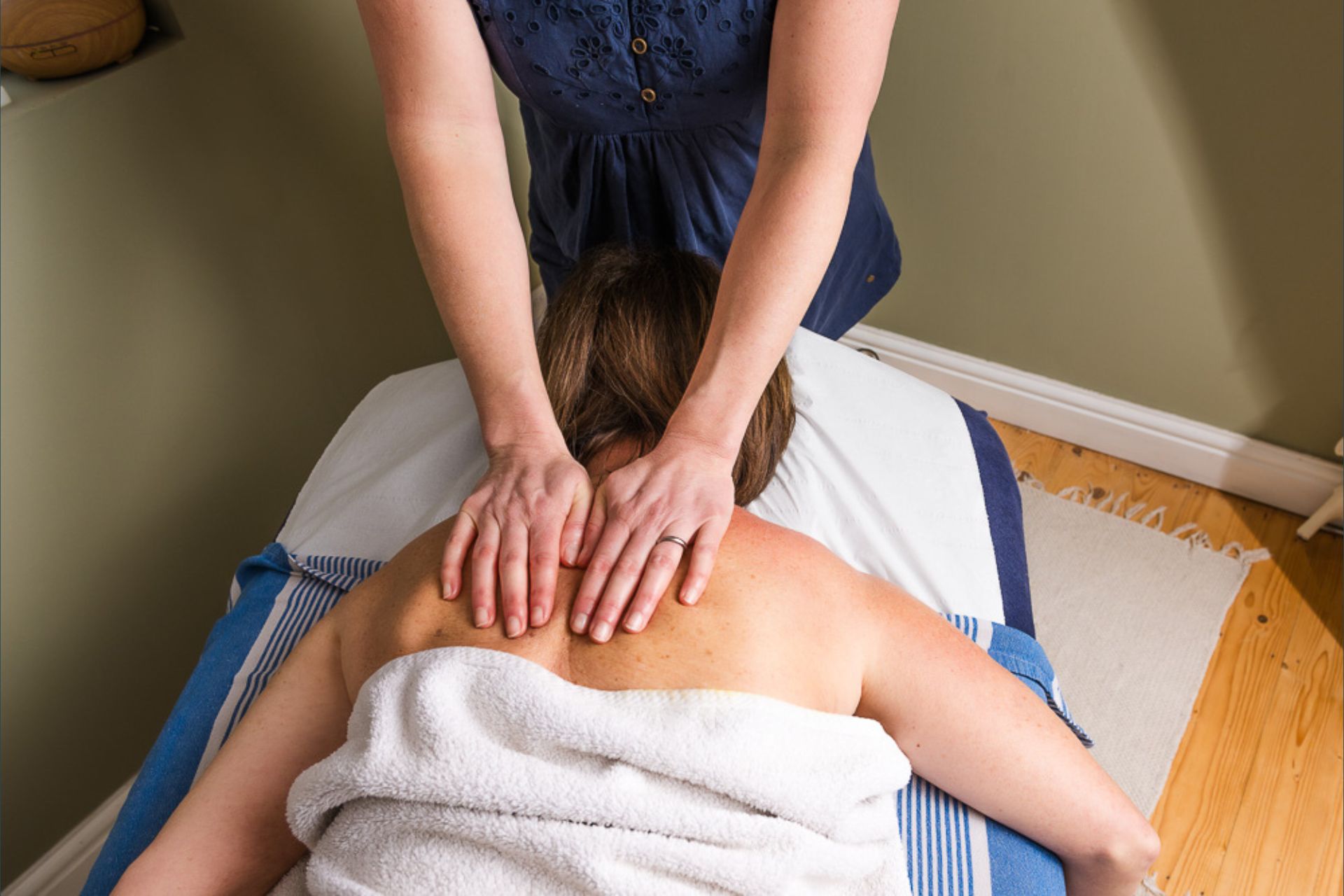
In a world filed with technology and fast-paced living, the simple act of touch can often be overlooked. The COVID 19 pandemic denied many of us the nourishing powers of touch for extended periods of time and our wellbeing suffered as a consequence. My first client to come through my doors once we were allowed to re-open, was a prime example of this. She was fighting a health crash, whilst isolating because she was considered vulnerable (due to a compromised immune system) and was craving touch. I felt her whole body soften as soon as I laid my hands on her. So why is touch so powerful?
As you know, I love to understand the science behind things so here is the nerdy bit on why touch is so beneficial.
Neurochemical responses
Touch stimulates the release of neurochemicals such as Oxytocin and Endorphins. Oxytocin is nick-named the “love hormone” and promotes the feelings of safety, reduces stress and enhances social connections, all of which are very important for chronic pain management. Endorphins are our body’s very own pain killers. The word “endorphin” is a combination of the words “endogenous” and “morphine”. They are opioid neuropeptides that act on the central nervous system to block or reduce the intensity of pain. They also boost mood and trigger the release of other feel good chemicals such as dopamine.
Touch can also lower the levels of cortisol, the “stress” hormone which can reduce anxiety, improve immune function and calm the nervous system. Again, all very useful in overcoming chronic pain.
Nervous system regulation
Chronic pain is often associated with the over sensitisation of the nervous system or having a nervous system stuck in the sympathetic (fight, flight) mode. Touch can activate the parasympathetic (rest, digest, healing) mode, which turns off the sympathetic mode like a switch. We cannot be in both at the same time. One cannot heal from chronic pain, if we are stuck in the sympathetic nervous system state.
The gate control theory of chronic pain suggests that the stimulation of nerves through touch can “close the gate” to pain signals, reducing the perception of pain in the brain. If we hurt ourselves and we “rub it better” it genuinely reduces the pain!
Physical and Immune Benefits
Massage promotes improved blood flow, which can improve oxygen and nutrient delivery to the tissues aiding healing and recovery. It also assists with the removal of carbon dioxide and by-products such as lactic acid, which can contribute to pain. I’m sure you’ve felt that muscle soreness after a hard exercise session – this is due to lactic acid in the muscles. This, along with parasympathetic nervous system activity, also boosts the immune system, which can calm down inflammatory responses which again can be responsible for chronic pain.
Emotional and Psychological Effects
By fostering a sense of connection and safety, whether this is with your therapist or a close friend of relative, touch can significantly alleviate symptoms of anxiety and depression. This in turn can improve chronic pain given that we cannot heal unless the body feels safe and secure.
One of the circles in the “bio-psycho-social model” of pain is the social one. Touch plays a crucial role in human bonding and communications. It helps strengthen our relationships and fosters a sense of belonging and support, which is vital when recovering from chronic pain.
Development and cognitive benefits
Research has shown that touch is crucial for infant development. Skin-to-skin contact, for example, can promote healthy growth, better sleep, and strong parent-child bonds. It also supports cognitive and emotional development by providing sensory input that is essential for brain growth. When we are in chronic pain our brains are working in a very familiar firing pattern. Our brains however, are neuroplastic, meaning that we are able to change these firing patterns. I therefore wonder whether touch can aid this, in the same way that it is beneficial to childhood brain development.
In summary, the science behind the healing power of touch is multifaceted, involving neurochemical responses, nervous system regulation, immune support and emotional well-being, all of which are beneficial to overcoming chronic pain.
Receive fresh wellness content straight to your inbox
Explore more
Related Wellness Resources






Help for your Chronic Pain
B.E.A.T Pain: Your Personalised Wellness Journey
Introducing the BEAT Pain approach, Katie’s strategy designed to empower your journey to lasting pain relief.

Brain
Uncover the role of the brain in your pain experience, gaining insights that empower your journey to lasting relief.
Energy
Elevate your healing potential by delving into the importance of good nutrition and sleep, unlocking vital sources of energy for your recovery.
Activity
Discover the transformative power of movement as we help you understand the pivotal role activity has on your path to recovery.
Therapy
Embark on a personalised healing journey with an array of therapeutic offerings, each designed to complement and support your unique chronic pain journey.
